
loader image
Prostate Clinic

P

R

O

S

T

A

T

E

-

C

L

I

N

I

C

There are many variations of passages available sure there majority have suffered alteration in some form by inject humour or randomised words which don't look even slightly believable.

Contact Info

Room No G-29, Ground Floor OPD, Chandan Hospital, Ayodhya Road, Lucknow (U.P.), India

Kidney Cancer Treatment:

Expert Uro-Oncology Care

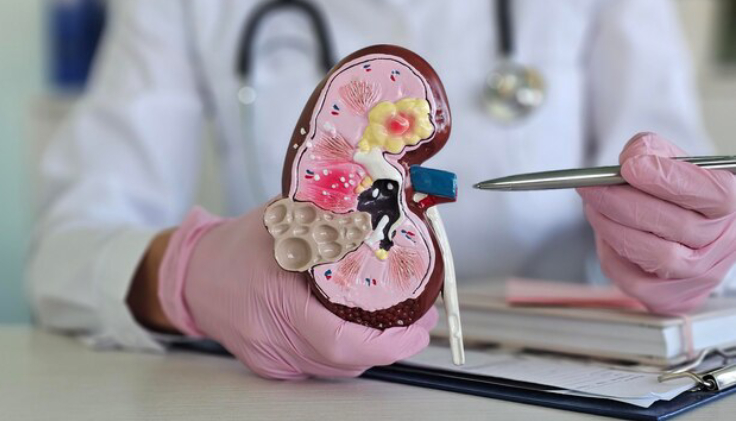
Kidney cancer is most effectively treated with early detection and specialized care. Our Uro-Oncology expert provides advanced diagnostics, minimally invasive and robotic surgeries, and personalized treatment pathways for all stages of kidney cancer. With extensive expertise in managing renal tumors, we deliver precise, safe, and patient-centered care focused on long-term health and recovery.

Kidney Cancer Treatment

Comprehensive, individualised care using appropriate minimally invasive and robotic techniques, aimed at long-term cancer control, organ preservation and maintaining quality of life.

Treatment Planning and Rationale

Our approach to kidney cancer care is based on careful evaluation, evidence-based recommendations and a focus on long-term outcomes. The aim is effective cancer control while preserving kidney function whenever appropriate, supported by clear discussions to help patients make informed decisions.

icon service one

Robotic Surgery

Robotic techniques are used where suitable to enable precise tumour removal through small incisions, with improved visualisation and controlled dissection.

icon service two

Kidney Function Preservation

Partial nephrectomy is prioritised whenever feasible to remove the tumour while retaining as much healthy kidney tissue as possible.

icon service three

Specialised Uro-Oncology Care

Care is provided by a clinician with focused training and experience in the management of kidney cancers and complex renal surgery.

icon service four

Robotic Approach

For appropriate cases, robotic surgery allows precise tumour removal through small incisions and a smoother recovery.

icon service five

Kidney Preservation

Partial nephrectomy is prioritised whenever feasible to maintain healthy kidney tissue and long-term kidney function.

icon service six

Focus on Long term Outcomes

Treatment plans guided by evidence, with attention to long-term cancer control, organ preservation and quality of life.

Comprehensive Information

Understanding Your Treatment

Learn about kidney cancer, the treatment approaches commonly used, and what you can expect throughout your recovery.

Cancer Pathways

For structured, stage-wise information on what to expect, what to discuss with your treating Uro-Oncologist or Urologist, and the key decisions involved at each stage, please visit the Cancer Pathway section of this website.

cta image
Our Approach

Prostate Cancer Care

Prostate cancer is a diverse condition, and treatment varies significantly based on the stage, grade and risk category. No single approach is appropriate for every patient. Management is planned after carefully reviewing PSA levels, MRI findings, biopsy results and overall health. This allows us to recommend treatment options that balance long-term cancer control with urinary and sexual function, and supports patients in making informed decisions about their care.

Kidney Preserving Cancer Treatment

Focused on nephron-saving cancer surgery to protect kidney function.

Robotic Surgical Expertise

Use of robotic surgical systems for precision tumour removal.

Individualised Treatment Planning

Decisions made through structured discussions and patient preferences.

Exclusive Focus on Urological Cancers

Specialised care for prostate, kidney, bladder and testicular cancers.

Collaborative Case Planning

Coordination with clinical specialists for complex cancer cases.

Long-Term Treatment Outcomes

Care guided by evidence prioritising long-term cancer control.

Common Questions

Frequently Asked Questions

Find answers to common questions about urological conditions and treatments

Yes. Early-stage kidney cancer is often asymptomatic and may be detected incidentally during routine health checks or imaging done for other reasons. This makes regular evaluations an important tool for early diagnosis.

Most back or flank pain is not related to kidney cancer. Pain from kidney cancer typically appears in later stages and is usually accompanied by other symptoms. Persistent or unclear symptoms should still be assessed to rule out other causes.

No. Many kidney tumours can be treated with partial nephrectomy, which removes only the tumour while preserving healthy kidney tissue. Whether this is possible depends on the tumour's size, location and your overall health.

Most patients with normal baseline kidney health maintain good long-term function, particularly when partial nephrectomy is feasible. Even after complete kidney removal, the remaining kidney often compensates well. Kidney function is monitored closely during follow-up.

Most people gradually return to normal routines. Long-term kidney health is supported by maintaining a healthy weight, managing blood pressure, staying hydrated and avoiding unnecessary use of certain pain medications. Regular follow-up is essential.

Surgery is the primary treatment for most kidney cancers, but very small or slow-growing tumours may sometimes be monitored through active surveillance. Your doctor will advise whether surveillance, surgery or another approach is most suitable.

Recovery varies by procedure and overall health. Many patients undergoing robotic surgery resume light activities within a couple of weeks and gradually increase their activity level. Guidance is provided throughout recovery.

Recurrence is possible, which is why structured follow-up with periodic scans is essential. Early identification of any new findings allows timely management. Follow-up schedules are tailored to each patient's tumour type and stage.